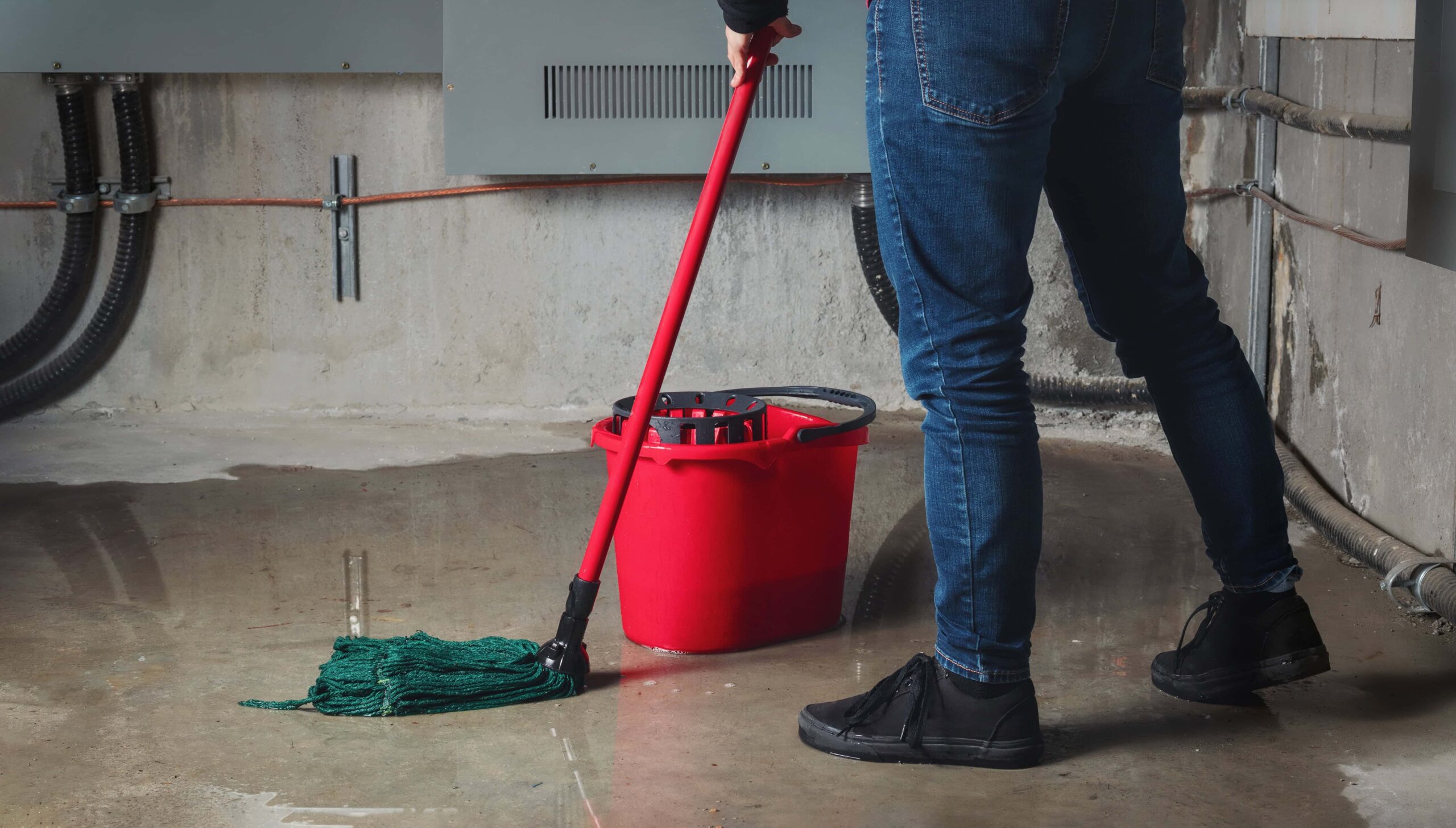
Basement flooding isn’t just a springtime concern. In Rhode Island, winter conditions like freezing temperatures, snow accumulation, and sudden thaws can create the perfect storm for water intrusion. Melting snow, frozen ground, and heavy winter precipitation can overwhelm drainage systems and expose weaknesses in your home’s plumbing.
Below, the pros at CW Cummings Plumbing explain how to prevent basement flooding during cold weather with proper sump pump maintenance, drainage preparation, backup systems, and waterproofing solutions.

Why Basement Flooding Happens During Winter
During winter, the ground around your home can freeze solid, preventing melting snow and rain from being absorbed naturally. When temperatures rise – even briefly – water has nowhere to go but toward your foundation.
Common winter-related causes of basement flooding include:
- Frozen or overwhelmed sump pumps
- Ice blocking exterior drainage paths
- Cracks in foundation walls
- Poor grading or downspout placement
Addressing these issues early can prevent water damage, mold growth, and expensive repairs.

Maintain Your Sump Pump Before Winter Hits
Your sump pump is your first line of defense against basement flooding, especially during snowmelt and winter storms.
Test Your Sump Pump Regularly
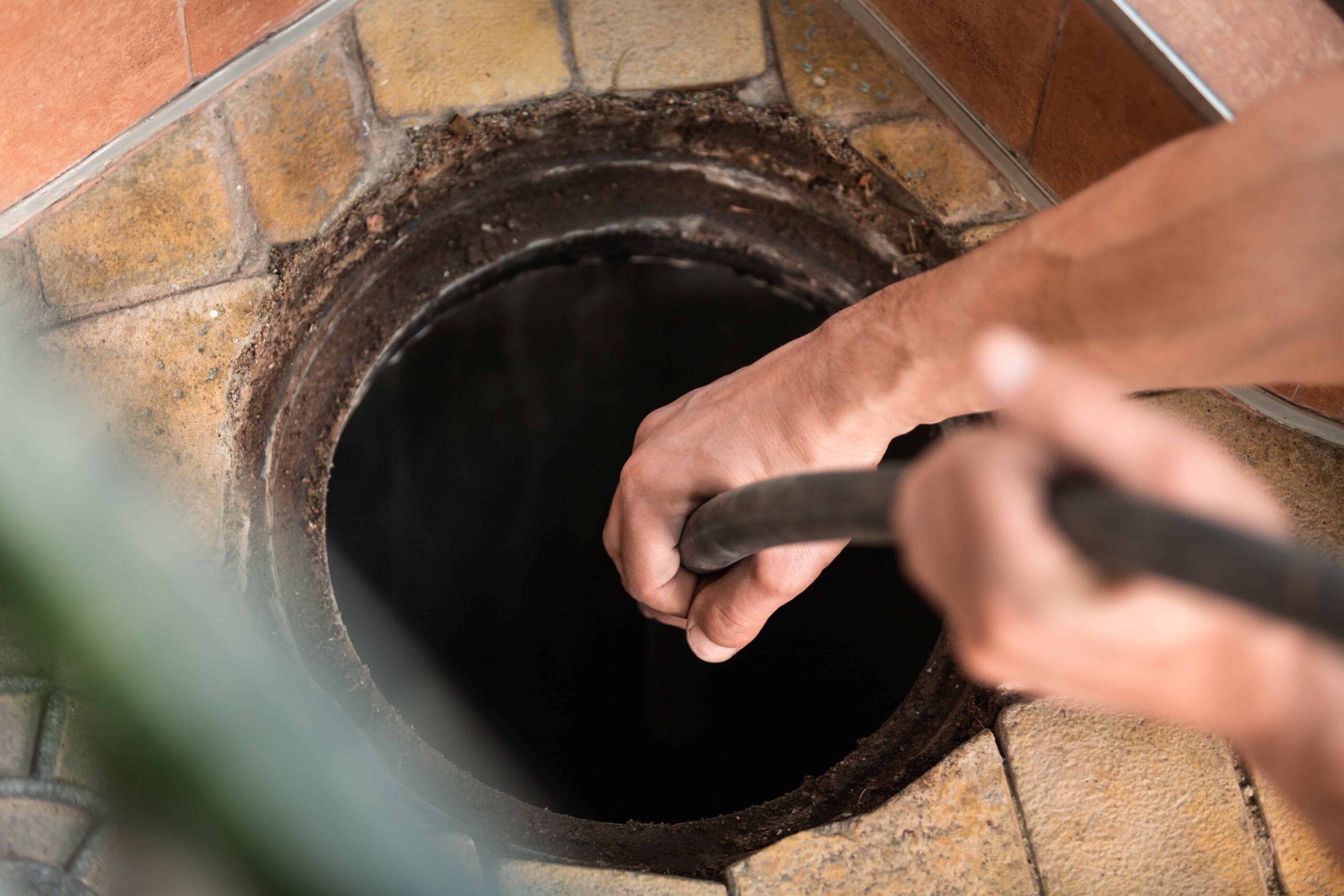
Pour a bucket of water into the sump pit to ensure the pump activates, drains properly, and shuts off when finished. If the pump struggles to turn on, runs continuously, or makes unusual noises, it may need professional service or replacement.
This step pairs well with the advice shared in our blog on Preparing Your Home’s Plumbing for Rhode Island’s Winter, where winter readiness plays a key role in preventing emergencies.
Keep the Discharge Line Clear
Sump pump discharge lines can freeze if they aren’t properly positioned or insulated. Make sure the line:
- Extends several feet away from your foundation
- Is angled to drain completely after each use
- Is free from ice, snow, and debris
If your discharge line freezes, water can back up into the pit and overflow into your basement.
Consider a Battery Backup Sump Pump System
Winter storms often bring power outages, and a sump pump without electricity can’t protect your home. Installing a battery backup sump pump ensures your system continues operating even if the power goes out.
Battery backups automatically activate when the primary pump loses power, offering peace of mind during blizzards or ice storms. This upgrade is especially valuable for homes with finished basements or a history of water intrusion.
If you’re unsure whether your current system is adequate, a residential plumbing inspection can identify potential vulnerabilities before winter weather worsens.

Improve Drainage Around Your Home
Proper exterior drainage plays a major role in preventing winter basement flooding.
Clear Snow and Ice From Drainage Areas
Keep snow and ice away from:
- Basement windows
- Foundation vents
- Exterior drains
As snow melts, blocked areas can funnel water directly toward your foundation.
Check Downspouts and Extensions
Downspouts should direct water at least 6-10 feet away from your home. Short or disconnected extensions can allow melting snow and rain to pool near your foundation walls.
These preventative steps also support the drainage guidance outlined in our Spring Plumbing Checklist: Prepare Your Home for the Thaw, which expands on post-winter water management.

Seal and Waterproof Basement Vulnerabilities
Small foundation cracks can become major problems during freeze-thaw cycles. Water seeps into cracks, freezes, expands, and makes them worse over time.
Inspect for Cracks and Leaks
Check basement walls and floors for:
- Hairline cracks
- Damp spots or discoloration
- Efflorescence (white, chalky residue)
Sealing cracks and reinforcing weak points can significantly reduce water intrusion during winter.
Address Interior Drainage Issues
If your basement has a history of water problems, professional waterproofing or interior drainage solutions may be necessary. These systems redirect water away from your foundation and into your sump system before flooding occurs.

Schedule Winter Flood Prevention with CW Cummings Plumbing
Preventing basement flooding during cold weather requires preparation, maintenance, and the right equipment. Whether you need sump pump service, drainage improvements, or a full plumbing inspection, CW Cummings Plumbing is here to help.
Our experienced team provides reliable solutions designed for Rhode Island’s winter conditions. Call (401) 828‑7730 or contact us here to schedule your winter plumbing service and protect your basement before the next freeze or thaw.