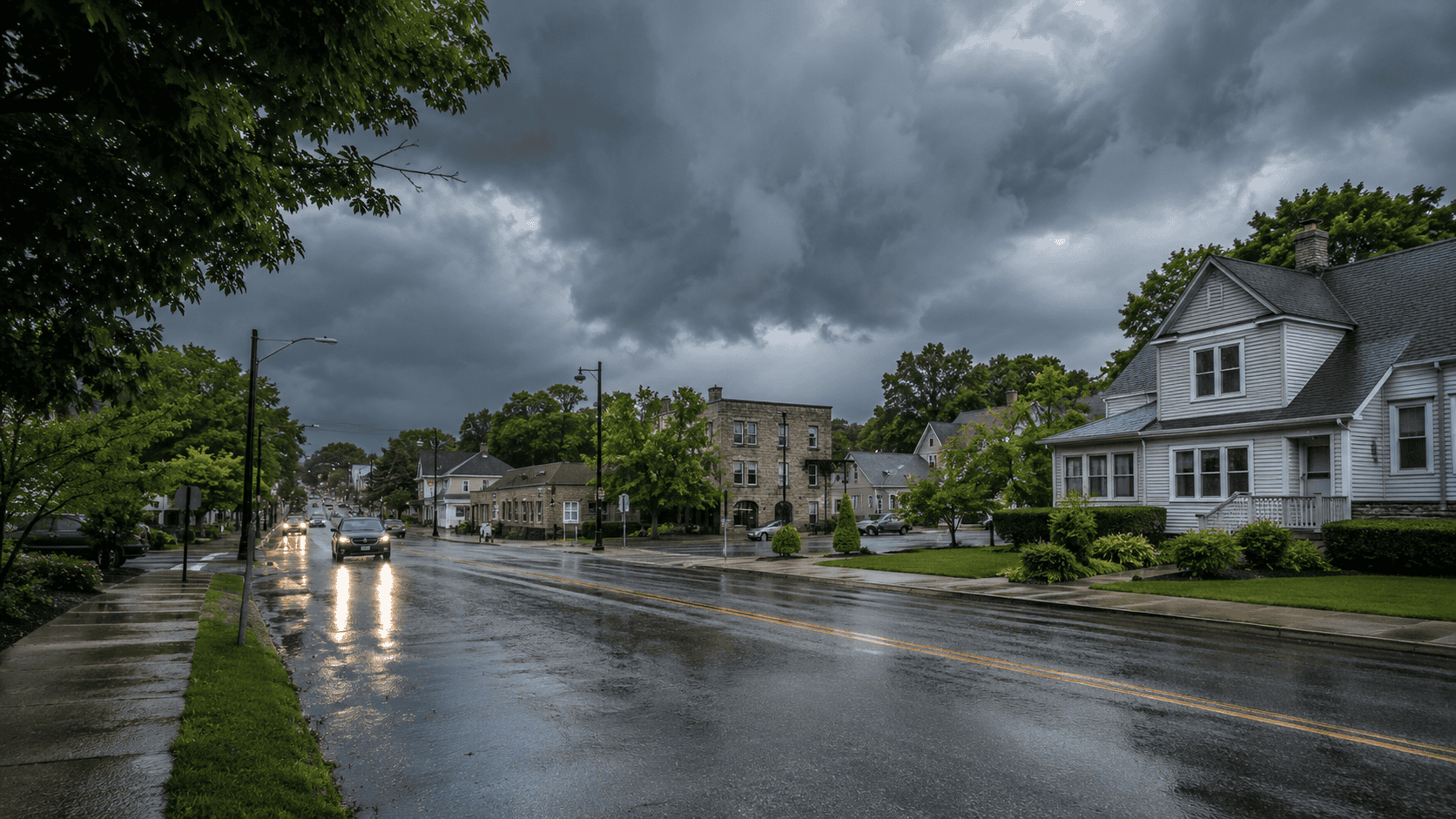
Older homes have a lot of character, but they can also come with aging plumbing systems that need extra attention. For homeowners in Warwick, Coventry, and surrounding Rhode Island communities, sewer line problems can be especially stressful because many issues happen underground, out of sight, and often show up only after backups or drainage problems begin.
Tree roots, cracked pipes, recurring clogs, and aging sewer materials can all create problems that get worse over time. The good news is that modern sewer line inspections and repair options can help identify the issue and determine the best solution before damage becomes more extensive.
Below, the pros here at CW Cummings Plumbing explain common sewer line issues in older homes, how inspections work, and what repair options may be available.

Why Older Homes Are More Prone to Sewer Line Problems
Older homes may have sewer lines made from materials that naturally weaken over time. Depending on the age of the home, the sewer line may include clay, cast iron, Orangeburg, or older piping materials that are more vulnerable to cracking, corrosion, root intrusion, and collapse.
Even if the plumbing inside the home has been updated, the underground sewer line may still be original. That means a home can have newer fixtures and drains but still struggle with recurring sewer problems outside the foundation.
In areas like Warwick and Coventry, where many homes have mature trees and established neighborhoods, root intrusion and aging underground lines are common concerns for homeowners.
Common Sewer Line Issues in Older Homes
Sewer line problems can develop slowly, but once symptoms appear, they should be taken seriously. A minor blockage or crack can quickly turn into a major backup if ignored.
Tree Root Intrusion
Tree roots naturally seek moisture. If there’s even a small crack or loose joint in a sewer line, roots can enter the pipe and continue growing inside. Over time, roots can catch debris, restrict flow, and cause recurring backups.
Cracked or Broken Pipes
Older sewer pipes can crack due to age, soil movement, freezing and thawing, or pressure from roots. Cracks may allow wastewater to leak into the surrounding soil and can also let dirt or roots enter the pipe.
Recurring Backups
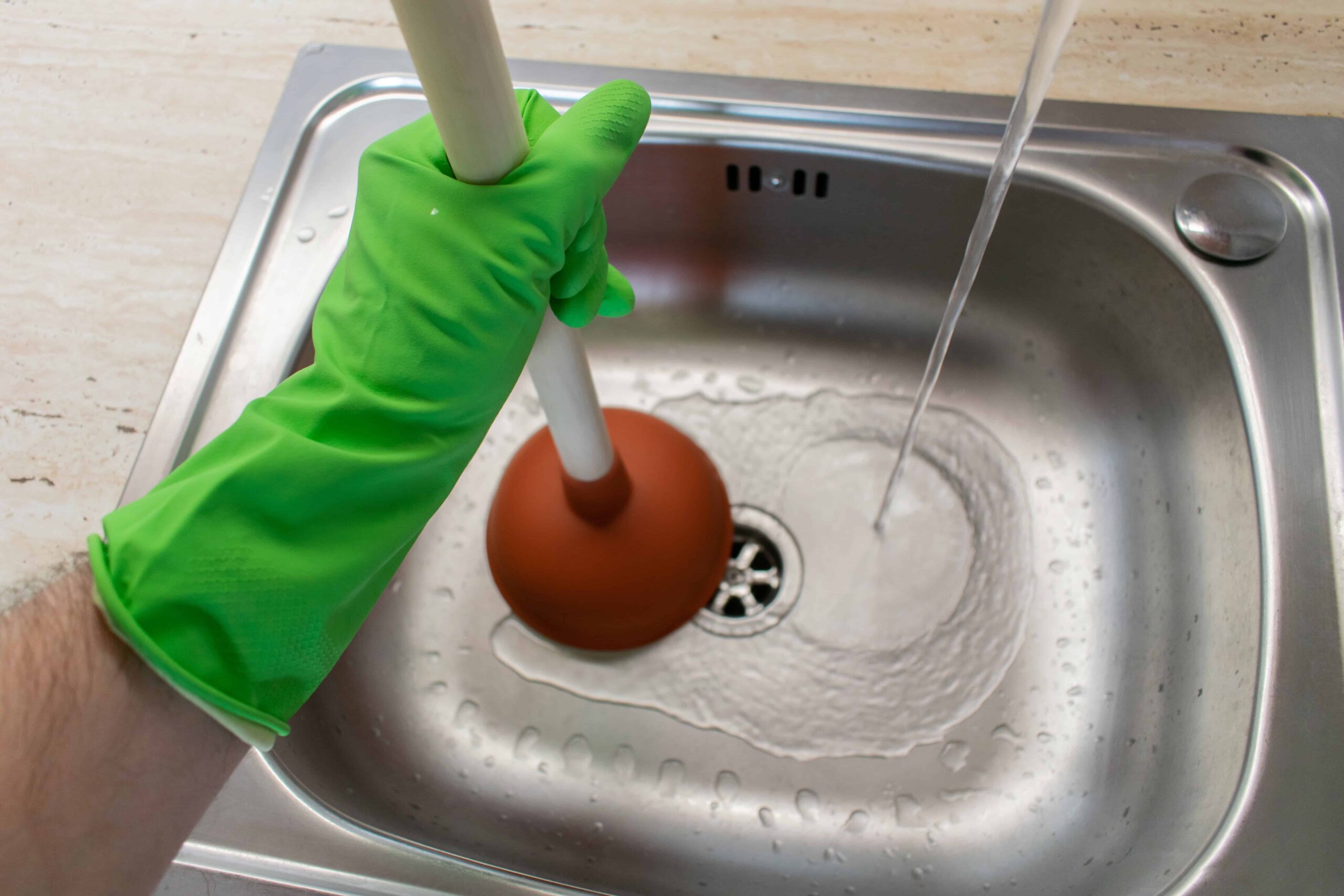
One clogged drain may be a simple fixture issue. But if multiple drains are backing up, toilets are gurgling, or wastewater is coming up through floor drains, the problem may be deeper in the sewer line.
Aging Pipe Materials
Older pipe materials can deteriorate, sag, corrode, or collapse over time. Once the pipe structure begins to fail, cleaning the line may only provide temporary relief.
Warning Signs You May Need a Sewer Line Inspection
Because sewer lines are underground, homeowners often notice symptoms inside or around the home before they know what is happening.
Common warning signs include:
Multiple Slow Drains
If several drains are slow at the same time, the issue may involve the main sewer line rather than one sink, tub, or toilet.
Gurgling Toilets or Drains
Gurgling sounds can indicate trapped air caused by a blockage or restricted flow.
Sewage Odors
Unpleasant sewer smells inside the home or outside near the yard can signal a leak, blockage, or venting issue.
Water Backups
Water or wastewater backing up into tubs, toilets, sinks, or floor drains should be addressed quickly.
Soggy or Sunken Areas in the Yard
If part of the yard is unusually wet, sunken, or foul-smelling, there may be a damaged sewer line underground.
A professional inspection can help determine whether the issue is a simple clog, root intrusion, pipe damage, or a larger sewer line concern.
Traditional Sewer Line Repair
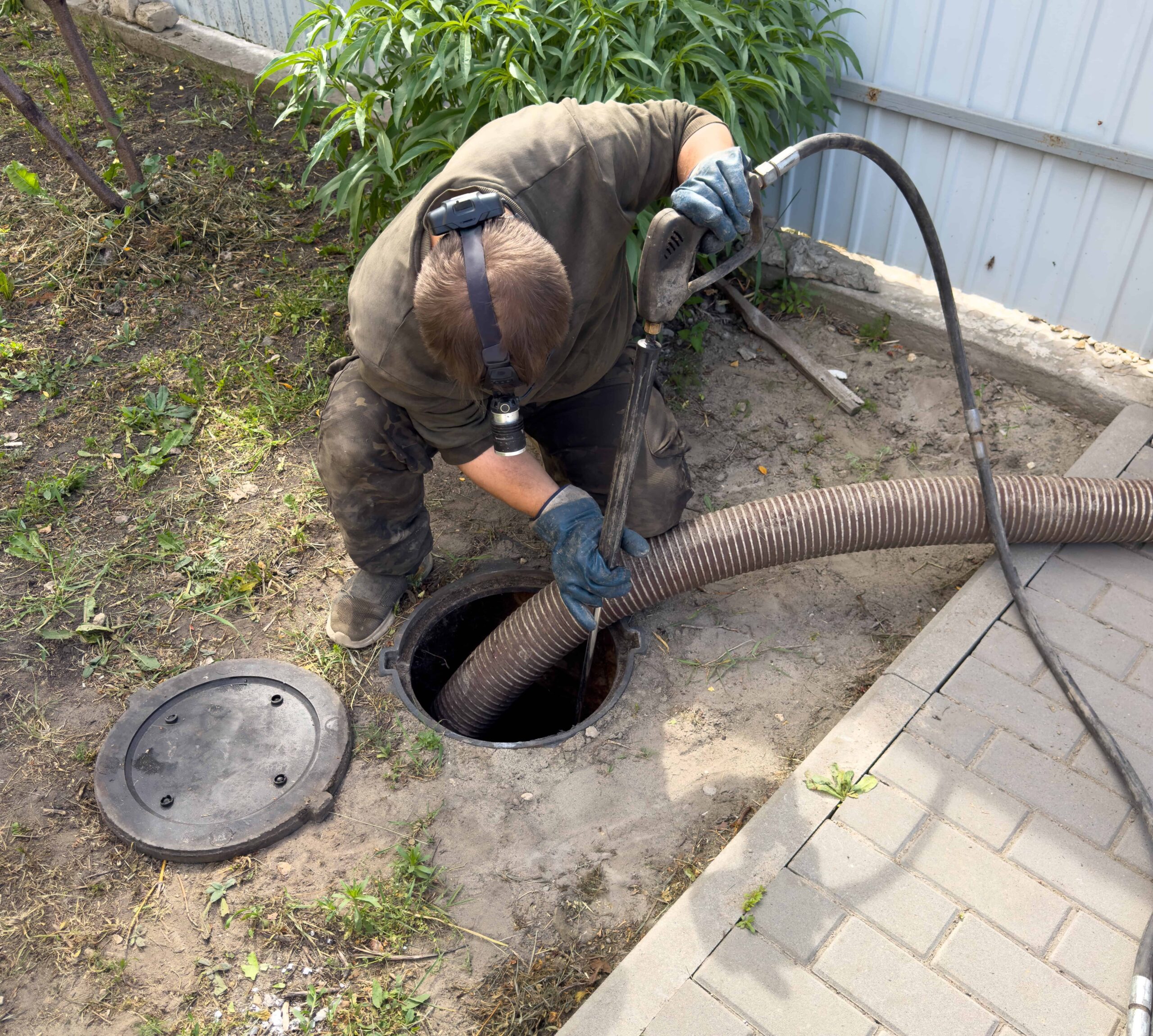
Traditional sewer line repair usually involves excavating the affected section of pipe so it can be repaired or replaced. This method may be necessary when the pipe has collapsed, shifted badly, or suffered severe damage.
When Traditional Repair May Be Needed
Traditional repair may be the better option if:
- The pipe is severely collapsed
- Large sections of pipe are missing or crushed
- The line has major alignment issues
- The damaged section is difficult to access another way
- The sewer line needs full replacement
Although excavation can be more disruptive, it allows plumbers to directly access the damaged pipe and make a complete repair.
Less Invasive Sewer Repair Options
In some cases, sewer line issues can be addressed with less invasive repair methods. These options may reduce digging, shorten repair time, and help preserve landscaping, driveways, sidewalks, or patios.
Sewer Camera Inspection
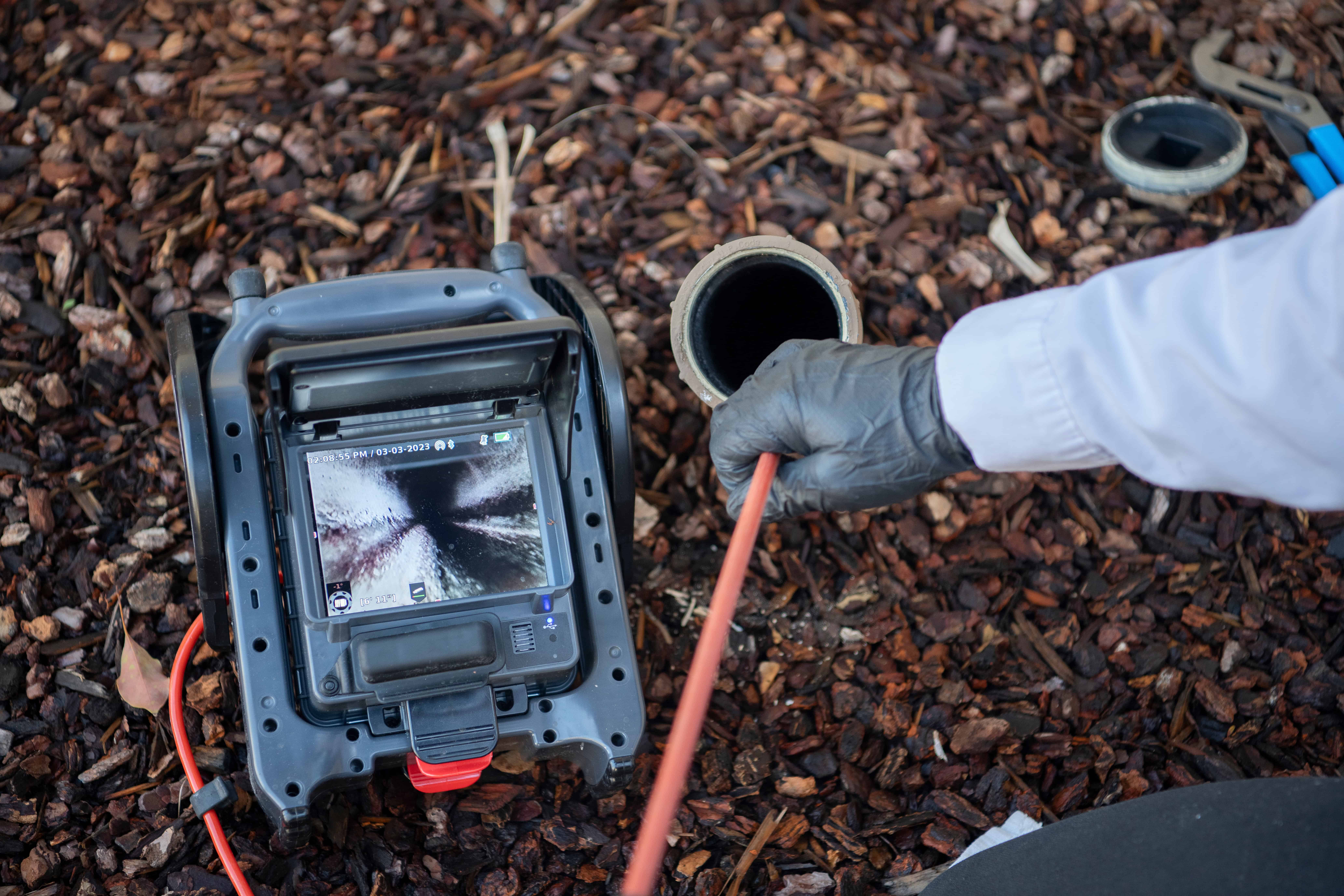
Before choosing a repair method, a sewer camera inspection can help locate the issue and show the condition of the pipe. This allows the plumber to determine whether the line needs cleaning, spot repair, or replacement.
Drain Cleaning or Root Clearing
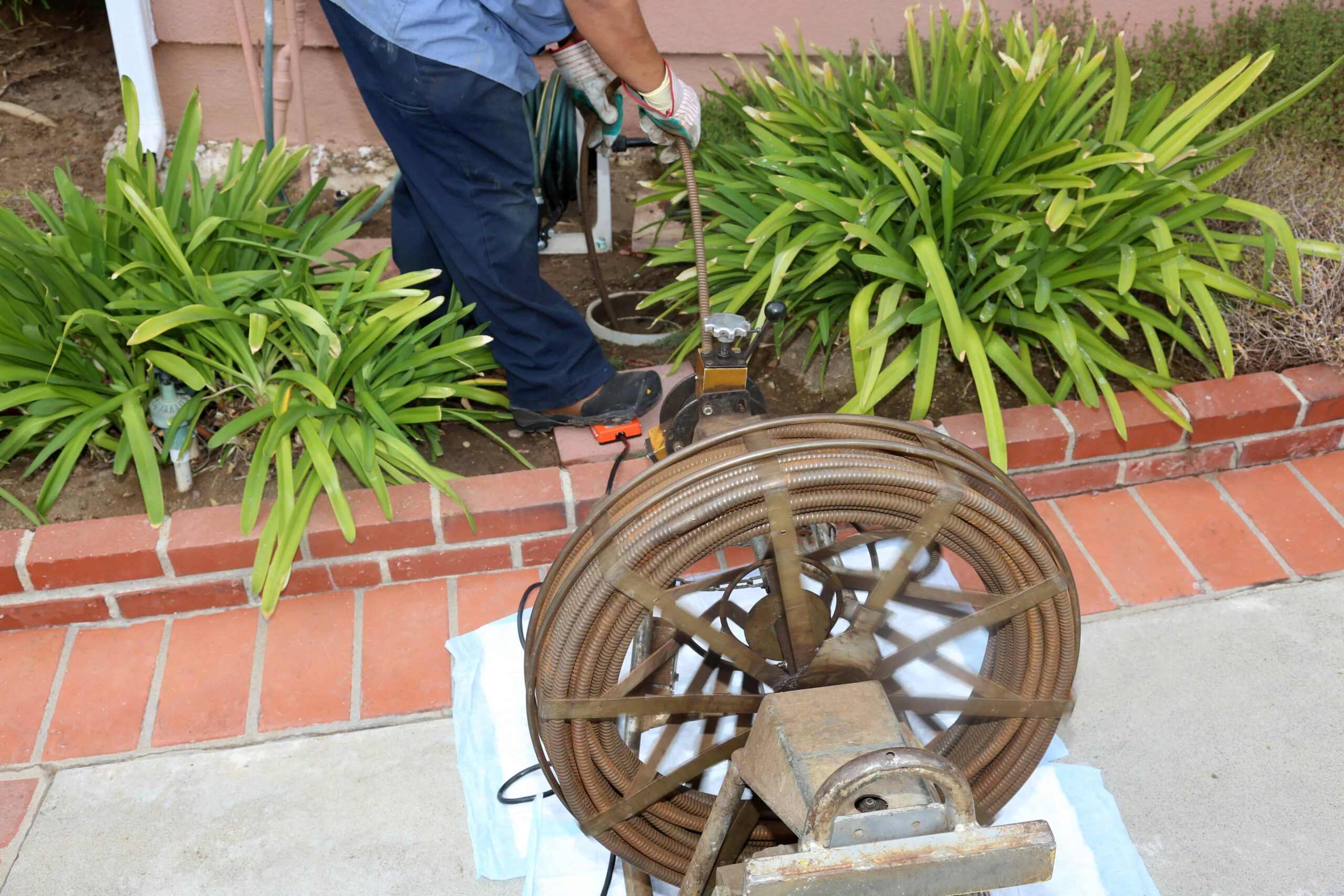
If the pipe is structurally sound but blocked by roots, grease, or debris, professional cleaning may restore flow. However, if roots have entered through cracks or damaged joints, cleaning may only be a temporary fix unless the pipe is repaired.
Trenchless or Limited-Dig Repair
Depending on the condition and location of the pipe, less invasive repair options may be available. These methods are designed to minimize excavation while still addressing damaged sewer lines.
Not every sewer line qualifies for trenchless repair. The pipe must be inspected first to determine whether it is stable enough for that type of solution.
Repair or Replace: How to Decide
The right sewer line solution depends on several factors, including the age of the pipe, the severity of the damage, the material, and how often problems are occurring.
Repair May Be Enough When
- The damage is isolated
- The pipe is mostly intact
- The issue is caused by a removable blockage
- The sewer line is otherwise in good condition
Replacement May Be Better When
- Backups keep coming back
- Roots have repeatedly entered the line
- The pipe is cracked, sagging, or collapsing
- The sewer material is outdated and deteriorating
- Repairs would only provide short-term relief
A professional inspection helps homeowners avoid guessing and gives them a clearer understanding of what is happening underground.
Why Sewer Problems Should Not Be Ignored
Sewer line problems rarely improve on their own. A recurring backup or slow drain may be an early warning sign of a larger problem developing underground.
Ignoring sewer issues can lead to:
- Wastewater backups
- Property damage
- Yard damage
- Unpleasant odors
- Health and sanitation concerns
- More expensive repairs later
For older homes in Warwick and Coventry, early inspection is one of the best ways to avoid emergency sewer problems.
Schedule Sewer Line Service with CW Cummings Plumbing
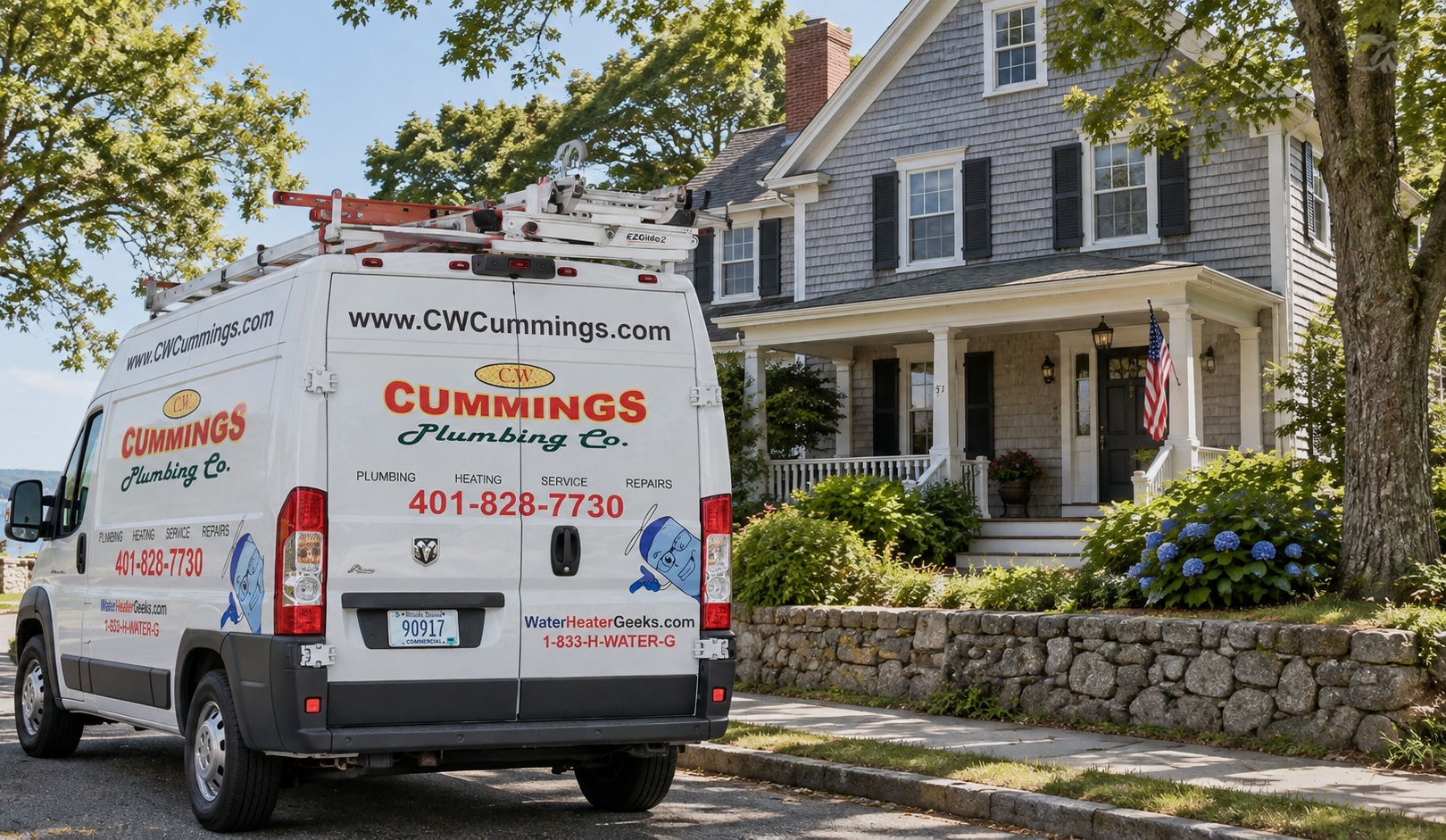
If you live in an older home and are dealing with recurring backups, sewer odors, slow drains, or soggy areas in the yard, CW Cummings Plumbing can help.
Our team provides reliable residential plumbing services for homeowners in Warwick, Coventry, and surrounding Rhode Island communities. We can inspect your plumbing system, identify warning signs, and recommend the right repair option for your home.
Call (401) 828-7730 or contact our team to schedule sewer line service today.