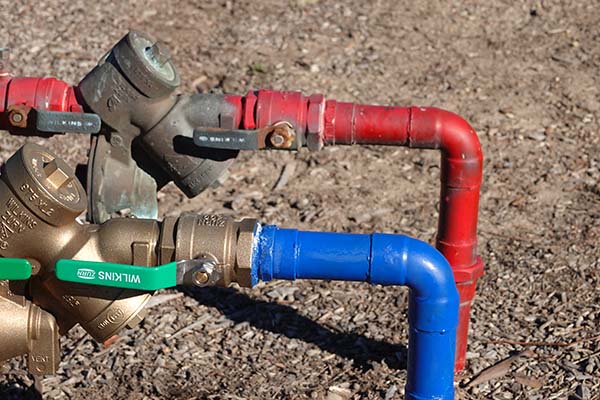
Not every plumbing leak is obvious. While a dripping faucet or leaking pipe under the sink may be easy to spot, many leaks happen behind walls, under floors, near water heaters, or in areas homeowners rarely inspect.
For Coventry homeowners, hidden leaks can lead to water damage, mold concerns, rising utility bills, and costly repairs if they go undetected for too long. The sooner a leak is found, the easier it is to protect your home and avoid unnecessary damage.
Below, the pros at CW Cummings Plumbing explain the warning signs of hidden plumbing leaks, why early detection matters, and how professional leak detection can help protect your Coventry home.
Why Hidden Plumbing Leaks Are So Important to Catch Early
A hidden leak may start small, but even a slow drip can cause significant damage over time. Water can seep into drywall, flooring, insulation, cabinets, and structural materials before the problem becomes visible.
Common areas where hidden leaks may occur include:
Behind Walls
Pipes inside walls can leak quietly for weeks or months before stains, bubbling paint, or dampness appear.
Under Floors
Leaks beneath flooring may cause soft spots, warping, discoloration, or musty odors.
Near Water Heaters
Leaks around water heaters may begin as small drips near connections, valves, or the tank itself.
Under Sinks and Cabinets
Cabinet leaks are easy to miss if the area is used for storage and not checked regularly.
Catching these issues early can help reduce repair costs and prevent more extensive property damage.
Common Warning Signs of a Hidden Leak
Many homeowners discover hidden leaks after noticing small changes around the home. Paying attention to these early warning signs can help you know when it is time to call a plumber.
Higher Water Bills
If your water bill increases without a clear reason, a hidden leak may be wasting water somewhere in your plumbing system. Even small leaks can add up over time.
Damp Walls or Flooring
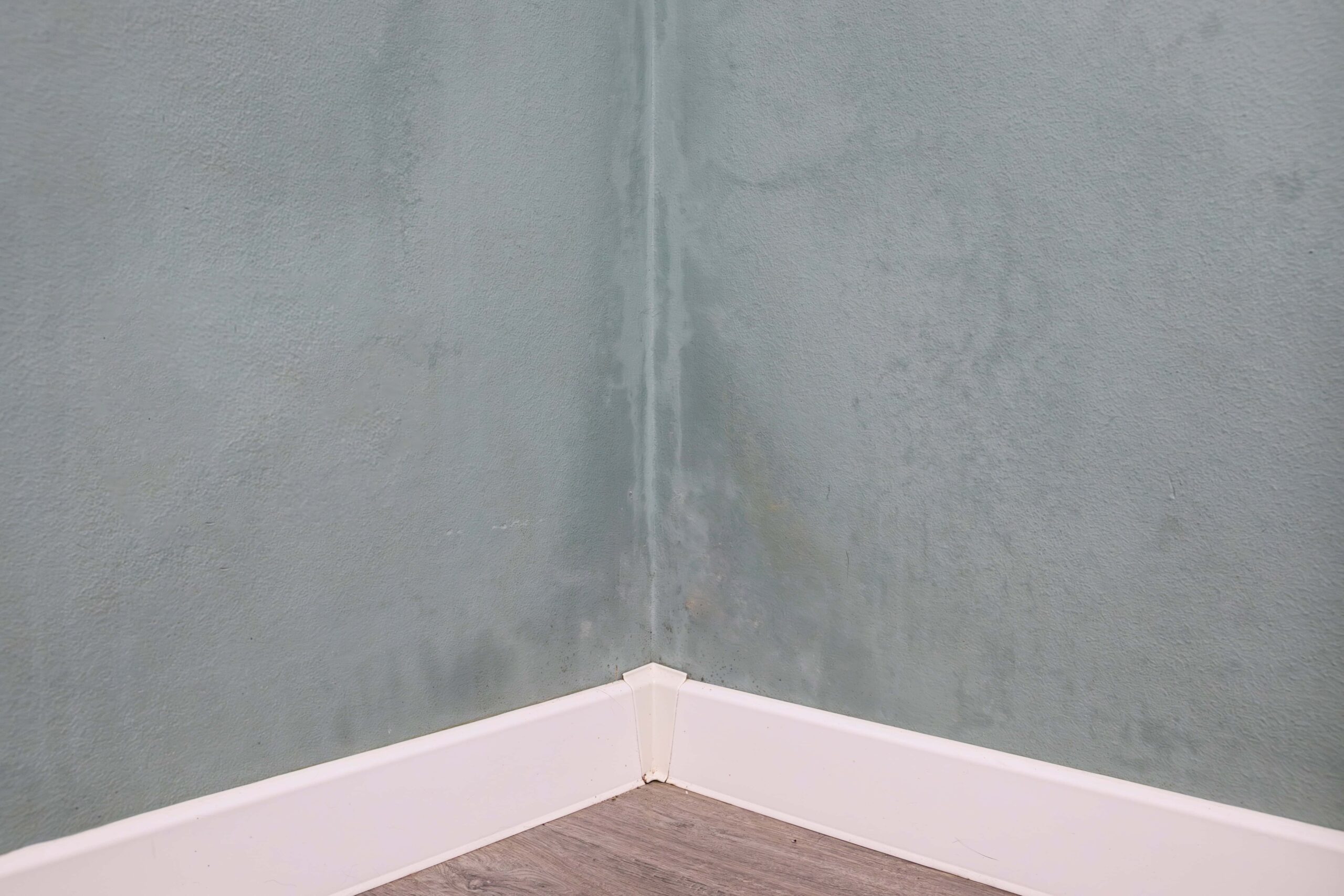
Moisture on walls, flooring, baseboards, or ceilings can point to a leak behind the surface. Watch for bubbling paint, peeling wallpaper, soft drywall, or warped flooring.
Musty Odors
A persistent musty smell may indicate hidden moisture, especially in bathrooms, basements, laundry rooms, or under sinks.
Water Stains
Yellow, brown, or dark stains on ceilings or walls are often signs that water has been leaking from above or behind the surface.
Reduced Water Pressure
A sudden drop in water pressure may point to a leak, blockage, or pipe issue. If pressure changes are noticeable throughout the home, the problem should be checked promptly.
Mold or Mildew Growth
Mold or mildew in unexpected areas can be a sign of ongoing moisture. Even if the source is not visible, there may be a plumbing issue nearby.
How Professional Leak Detection Works
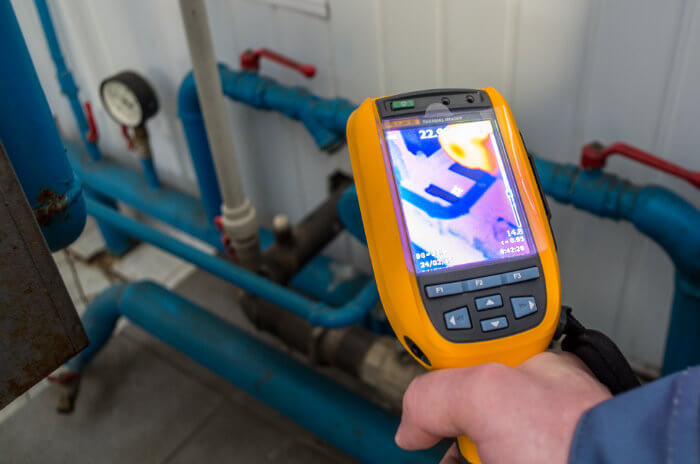
Professional leak detection helps locate the source of a leak without unnecessary guesswork. Instead of opening walls or floors immediately, a plumber can evaluate symptoms, inspect plumbing fixtures, and use tools to narrow down the problem area.
Depending on the situation, leak detection may include:
Visual Inspection
A plumber checks visible pipes, fixtures, valves, water heaters, cabinets, and nearby surfaces for signs of moisture or damage.
Pressure Testing
Pressure changes can help identify whether a plumbing line is leaking or losing water.
Moisture Detection
Moisture meters and inspection tools can help confirm where water may be present behind walls, floors, or ceilings.
Fixture and Appliance Checks
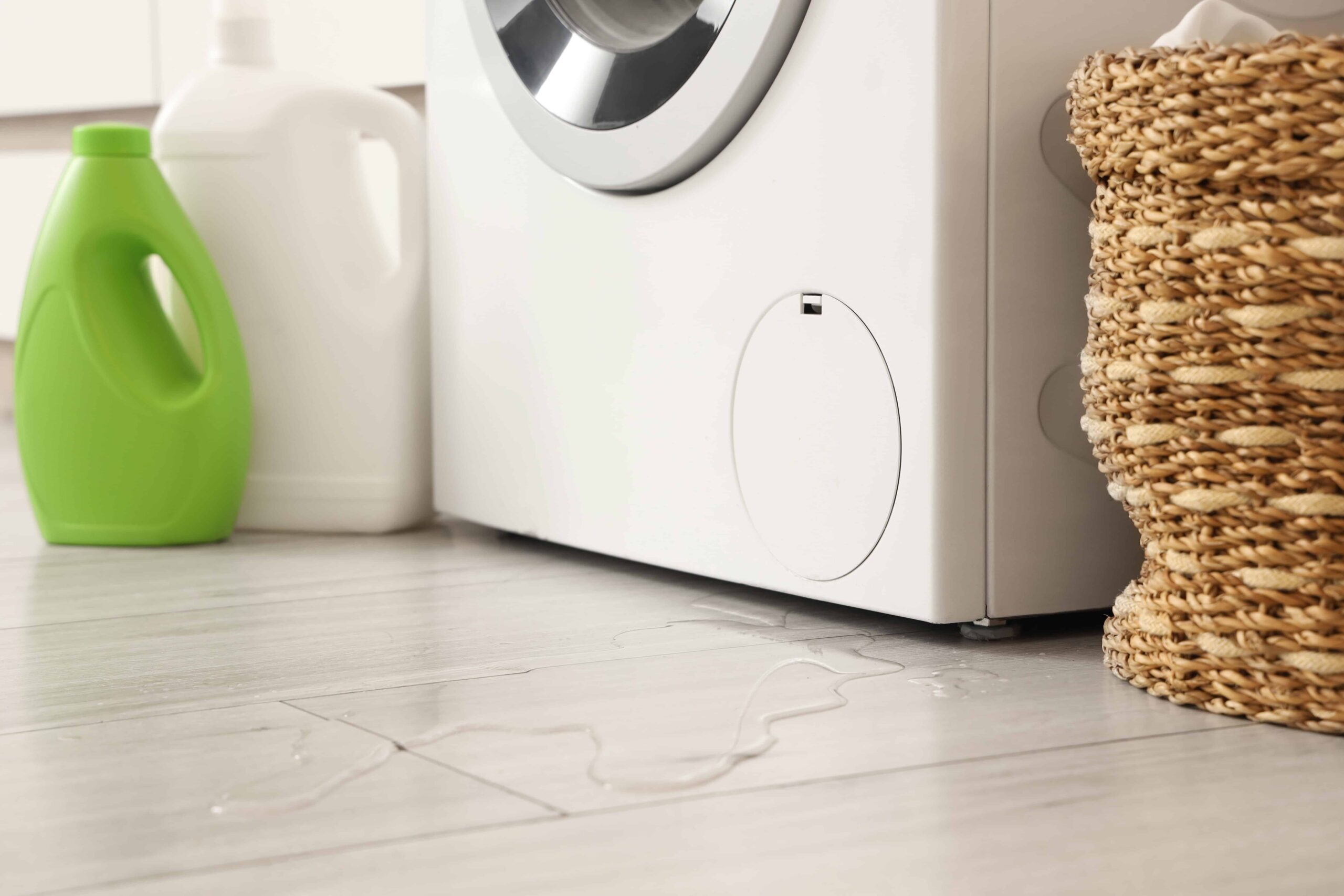
Toilets, faucets, water heaters, dishwashers, washing machines, and other plumbing-connected appliances may all be inspected for leaks.
Professional diagnosis helps homeowners avoid unnecessary damage while identifying the most likely source of the problem.

Why DIY Leak Checks Are Not Always Enough
Homeowners can and should keep an eye out for obvious signs of leaks, but hidden leaks are often difficult to confirm without professional help.
A visible stain may not be directly below the leak source. Water can travel along framing, pipes, or ceilings before appearing in another part of the home. That means patching a stain or drying the area may not solve the actual problem.
DIY checks can help you spot warning signs, but professional leak detection helps determine:
Where the Leak Is Coming From
The visible damage may not be the source.
How Serious the Problem Is
A small stain could indicate a minor leak — or a larger issue hidden behind the wall.
Whether Repairs Are Needed Immediately
A professional can recommend the safest next step before the damage spreads.
If something seems off, it is better to investigate early than wait for a larger plumbing emergency.
Common Causes of Hidden Plumbing Leaks
Hidden leaks can happen for many reasons, especially in homes with older plumbing or fixtures.
Common causes include:
Aging Pipes
Older pipes may corrode, weaken, or develop small leaks over time.
Loose Connections
Connections around sinks, toilets, appliances, and water heaters may loosen or wear out.
High Water Pressure
Excessive water pressure can strain pipes, valves, and fixtures, increasing the risk of leaks.
Toilet Leaks
A toilet can leak internally without visible water on the floor. This may cause water waste and higher utility bills.
Water Heater Issues
Leaks near water heaters can develop around valves, fittings, drain pans, or the tank itself.
Seasonal Stress
Temperature changes, heavy rainfall, and shifting ground can all contribute to plumbing stress over time.
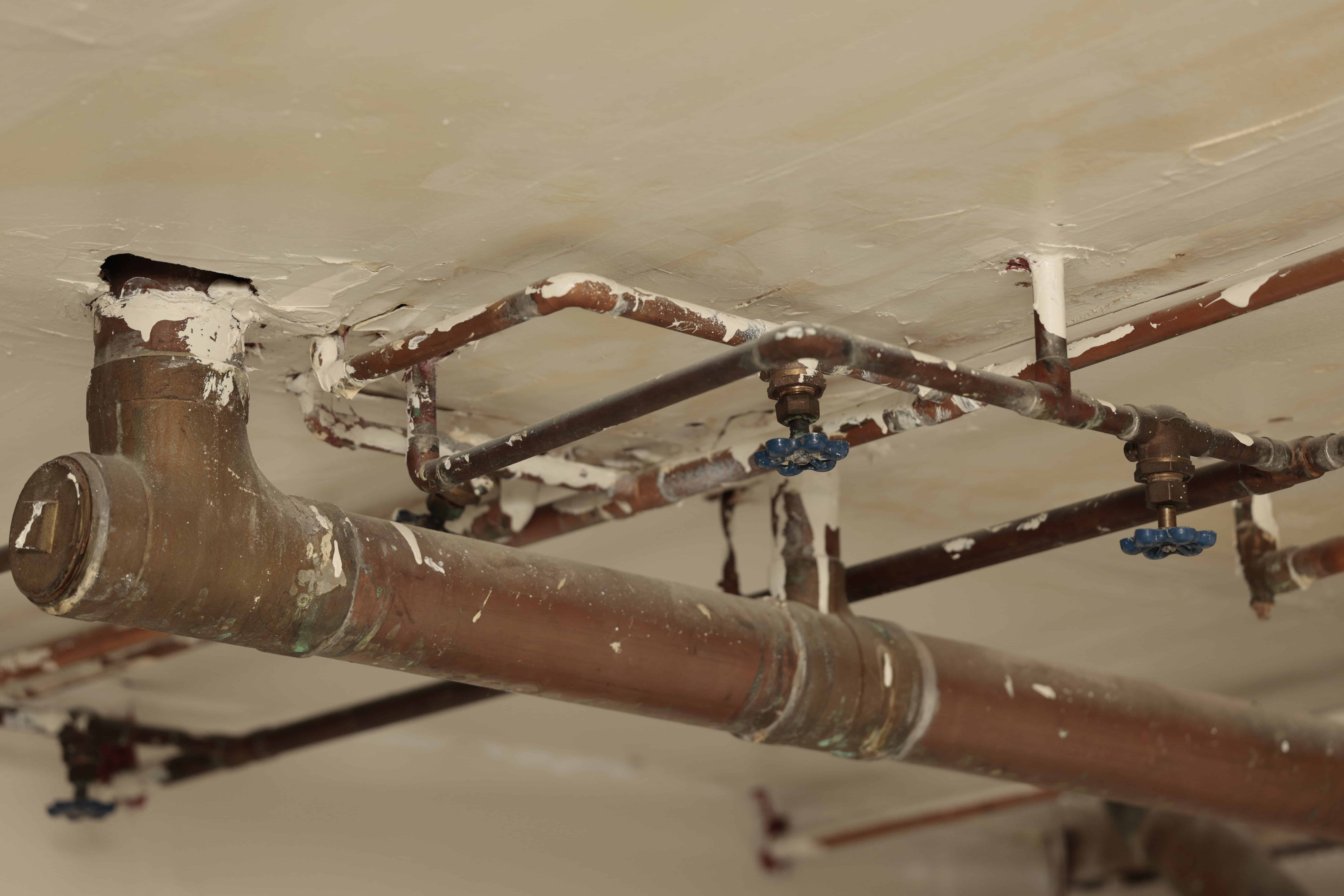
How Early Leak Detection Protects Your Home
Finding plumbing leaks early can help Coventry homeowners avoid serious problems, including:
Water Damage
Early repairs can prevent water from spreading into walls, ceilings, flooring, and cabinets.
Mold and Mildew
Addressing moisture quickly helps reduce the conditions that allow mold and mildew to grow.
Higher Utility Bills
Stopping leaks can prevent wasted water and unnecessary monthly costs.
Structural Damage
Ongoing leaks can weaken building materials and lead to larger repair projects.
Emergency Plumbing Repairs
Small problems are usually easier and less expensive to fix than major leaks or burst pipes.
Leak detection isn’t just about finding water — it’s about protecting the home from damage that can build quietly over time.
When Coventry Homeowners Should Call a Plumber
If you notice any signs of a hidden leak, it is best to schedule service sooner rather than later. Call a plumber if you see:
- Damp walls, ceilings, or floors
- Unexpected water stains
- Musty odors
- Sudden water pressure changes
- Higher water bills
- Mold or mildew growth
- Water heater leaks
- Soft flooring or warped materials
A professional plumber can help determine whether the issue is minor, urgent, or part of a larger plumbing concern.

Schedule Leak Detection Service with CW Cummings Plumbing
Hidden leaks can be stressful, but finding them early can make all the difference. If you suspect a leak in your Coventry home, CW Cummings Plumbing is here to help.
Our team provides reliable residential plumbing services for homeowners in Coventry and surrounding Rhode Island communities. We can inspect your plumbing system, identify warning signs, and recommend the right repair solution before the damage gets worse.
Call (401) 828-7730 or contact our team online to schedule plumbing service.