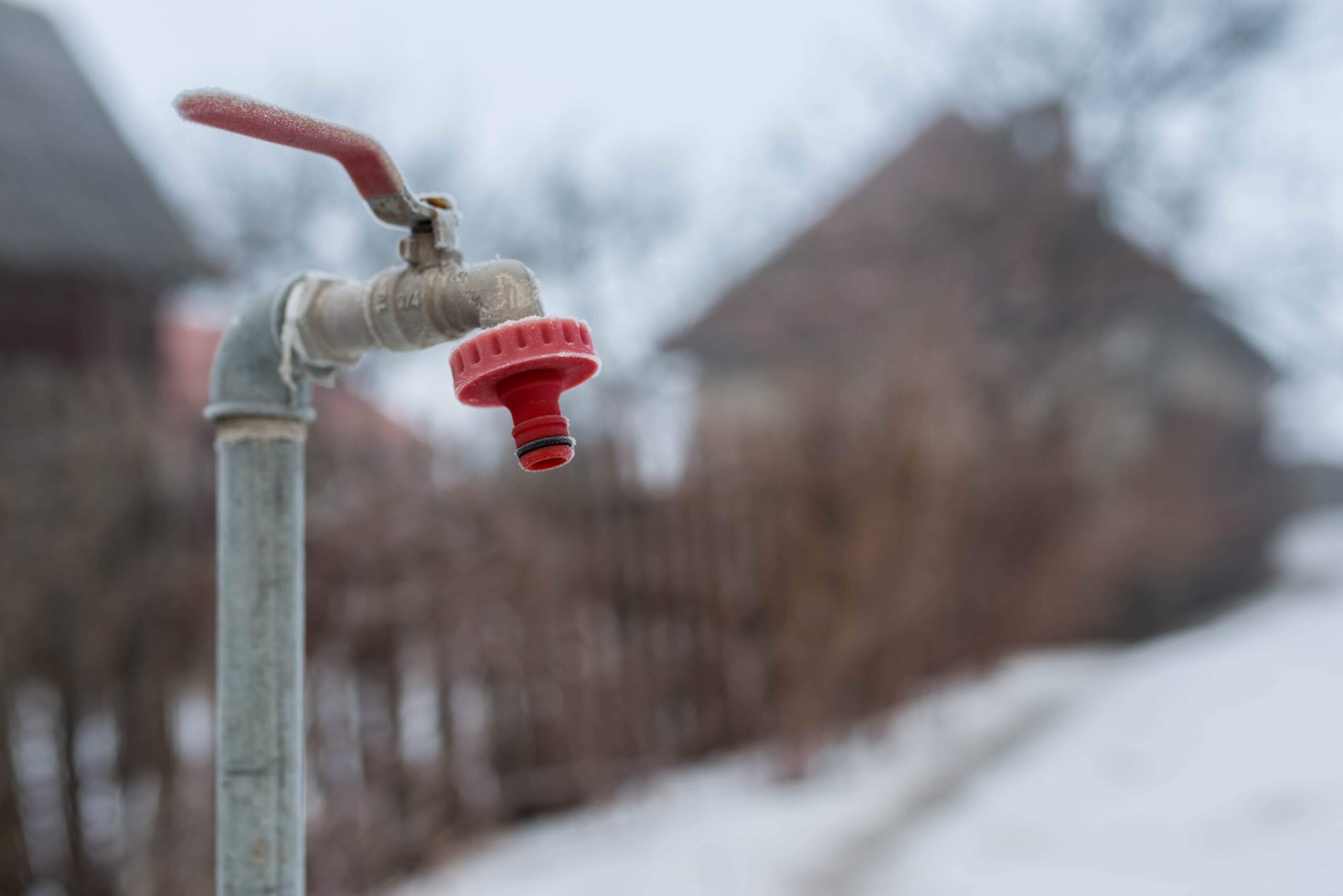
Rhode Island winters can be hard on outdoor plumbing. Once temperatures drop below freezing, any water left inside exterior pipes, hose bibs, irrigation lines, pool plumbing, or outdoor showers can freeze, expand, and cause damage.
For homeowners, winterizing outdoor plumbing before the first hard freeze is one of the simplest ways to prevent burst pipes, leaks, and costly repairs. A little preparation in the fall can help protect your home and keep your plumbing system ready for spring.
Below, the pros at CW Cummings Plumbing explain how Rhode Island homeowners can prepare outdoor plumbing for winter and avoid common freeze-related problems.
Why Outdoor Plumbing Needs Winter Protection
Outdoor plumbing is especially vulnerable because it is exposed to cold air, wind, snow, and ice. Even if the fixture itself looks fine from the outside, water trapped inside the pipe can freeze and expand.
When this happens, the pressure can crack pipes, damage valves, loosen fittings, or cause leaks inside the wall behind an outdoor faucet. In many cases, homeowners don’t notice the problem until they turn the water back on in spring.
Winterizing outdoor plumbing helps reduce the risk of:
Burst Exterior Pipes
Water expands as it freezes, which can split pipes or fittings.
Leaking Hose Bibs
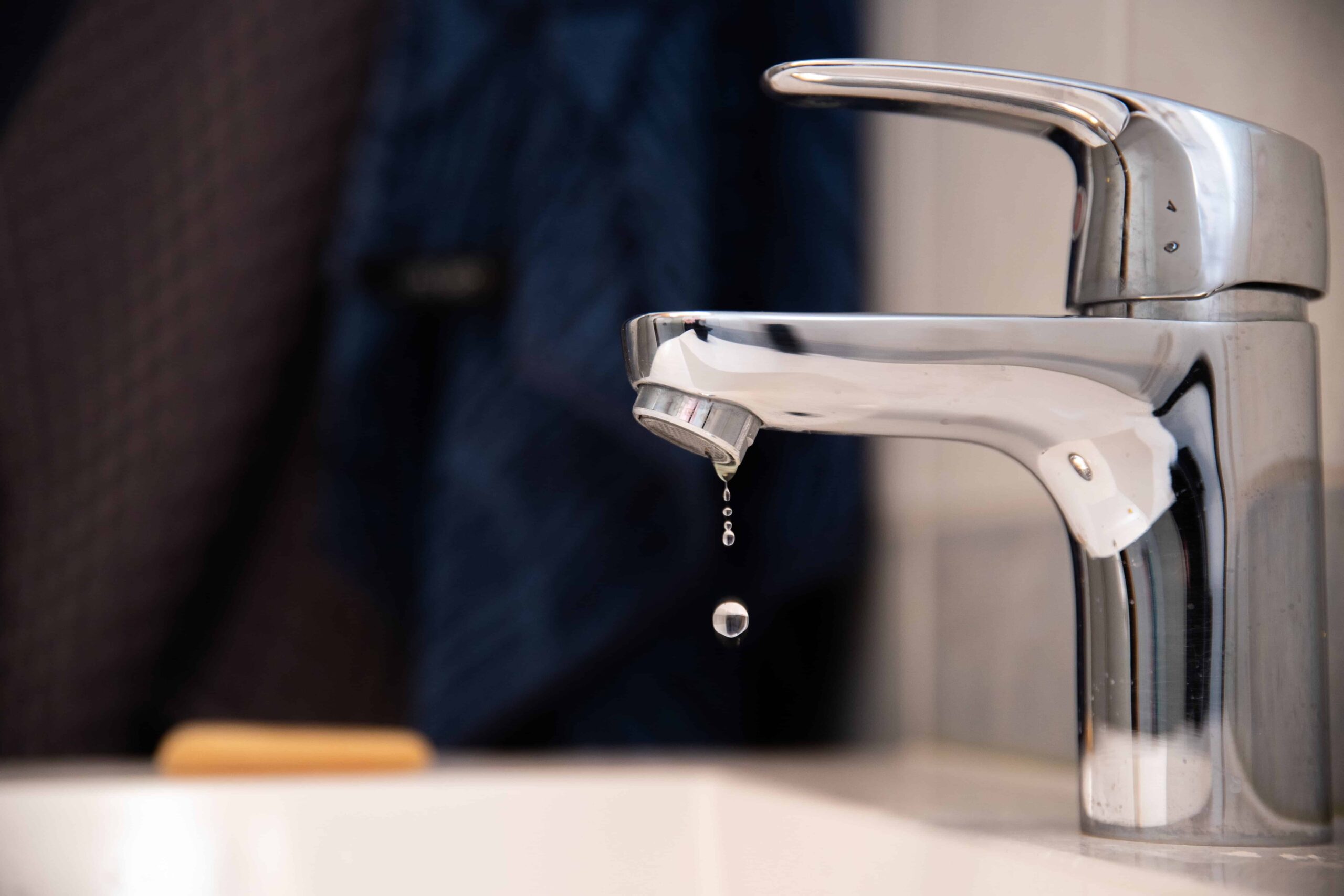
A hose bib that freezes over the winter may drip, spray, or leak once temperatures warm up.
Foundation Moisture
Leaking outdoor fixtures can allow water to collect near the foundation.
Spring Plumbing Repairs
Damage that happens in winter often shows up months later when outdoor water use begins again.
Disconnect and Drain Garden Hoses
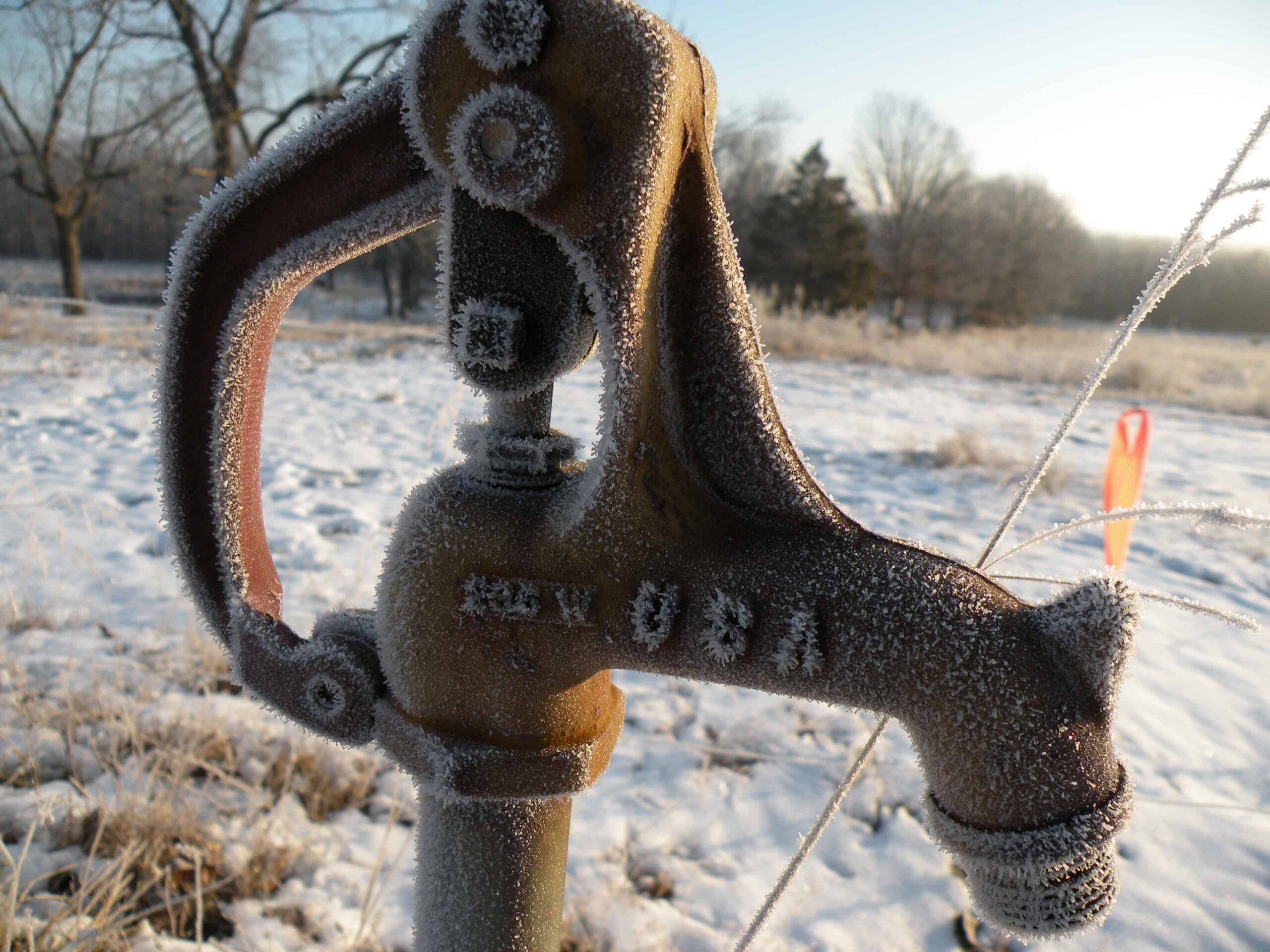
One of the easiest and most important steps is disconnecting garden hoses before freezing temperatures arrive. Leaving a hose connected can trap water inside the hose bib and the pipe behind it.
That trapped water can freeze, expand, and cause damage inside the wall or basement.
To prepare hoses for winter:
Remove Hoses from Outdoor Faucets
Disconnect every garden hose from exterior spigots, even if the hose is not currently being used.
Drain and Store Hoses
Let the water drain completely, then coil and store hoses in a garage, shed, basement, or other protected area.
Check for Leaks Before Storage
If a hose has cracks or worn connections, replace it before spring so it is ready when warmer weather returns.
Shut Off Exterior Water Lines When Possible
Many Rhode Island homes have interior shut-off valves for outdoor faucets. These valves are usually located in the basement, crawl space, or utility area near where the pipe exits the home.
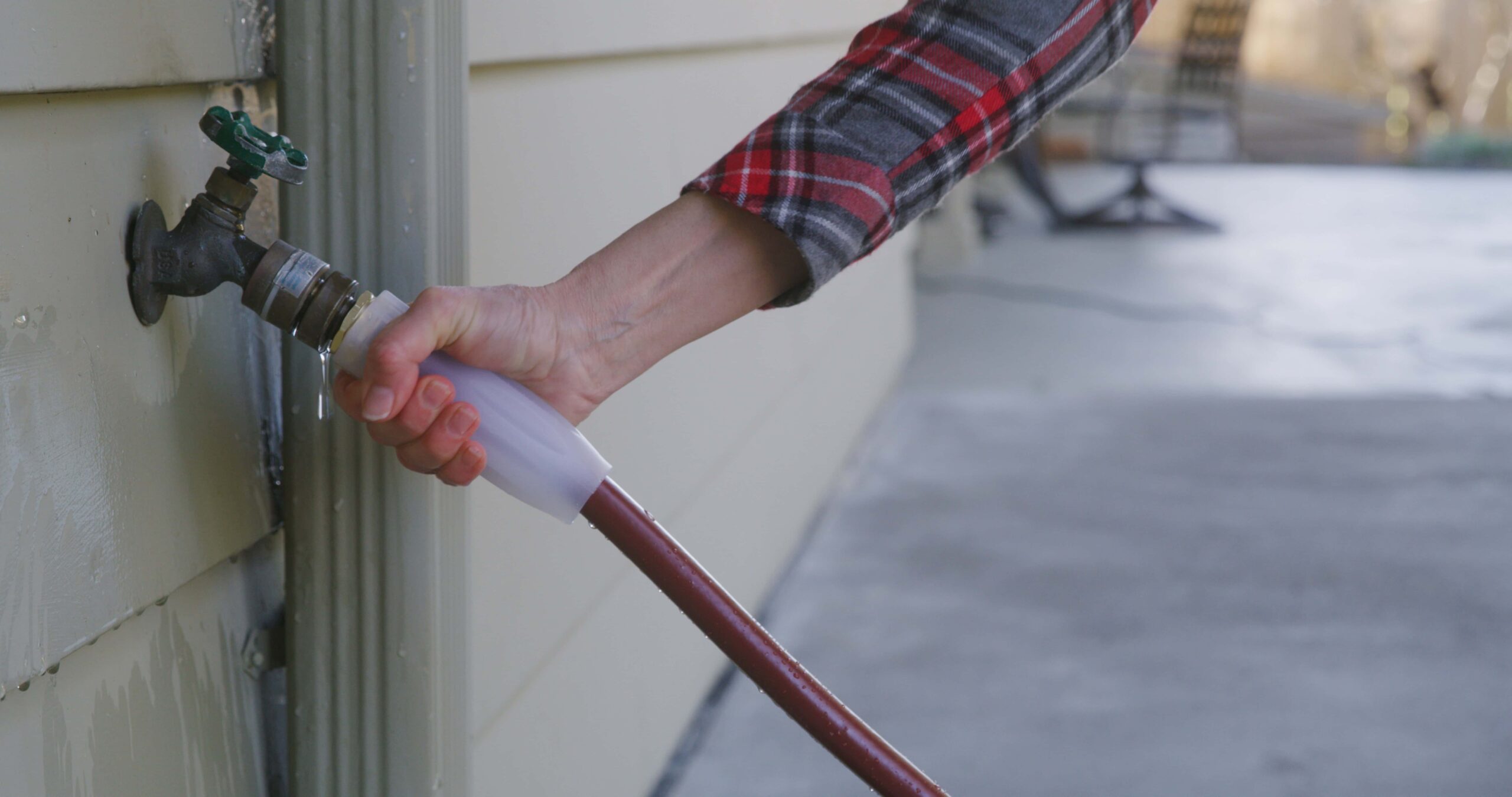
If your home has an interior shut-off valve, turn off the water supply to the exterior faucet before winter. After shutting off the valve, open the outside faucet to drain any remaining water.
This simple step helps prevent water from sitting inside the outdoor section of pipe during freezing weather.
If you are not sure whether your home has exterior shut-off valves, or if the valve is difficult to turn, a local professional plumber can inspect the system and make sure it is working properly.
Protect Hose Bibs and Outdoor Faucets
After hoses are disconnected and water lines are drained, outdoor faucets should be protected from freezing temperatures.
Use Insulated Faucet Covers
Foam faucet covers are inexpensive and easy to install. They help reduce exposure to cold air and protect the fixture during freezing weather.
Inspect for Drips or Damage
Before covering the faucet, check for drips, corrosion, loose fittings, or cracks. A leaking hose bib should be repaired before winter because even a small drip can freeze and create bigger problems.
Consider Frost-Free Hose Bibs
If your outdoor faucets freeze frequently, a frost-free hose bib may be a worthwhile upgrade. These fixtures are designed to shut water off farther inside the home, reducing the chance of water freezing near the exterior wall.
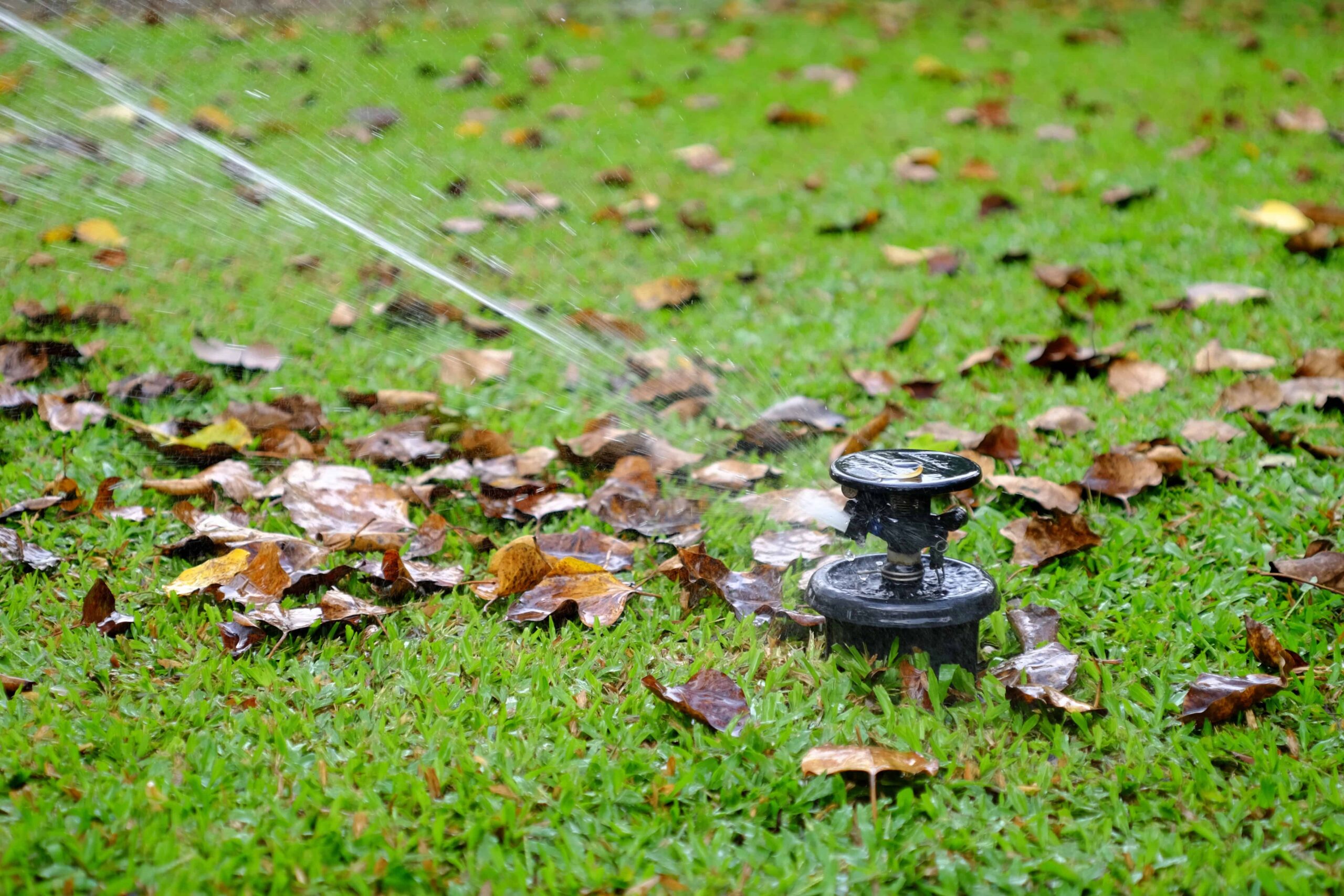
Winterize Irrigation Lines and Sprinkler Systems
Irrigation systems and sprinkler lines need special attention before winter. Water left inside underground irrigation lines, valves, or sprinkler heads can freeze and damage the system.
Depending on the type of irrigation system, winterization may include:
Shutting Off the Water Supply
The main irrigation shut-off valve should be turned off before freezing temperatures arrive.
Draining the Lines
Water should be removed from the system according to the manufacturer’s recommendations.
Protecting Backflow Devices
Some irrigation systems include backflow prevention devices that must be protected from freezing.
Scheduling Professional Winterization
Many irrigation systems need to be blown out with compressed air by a qualified professional. This helps remove trapped water and reduce the risk of cracked underground lines.
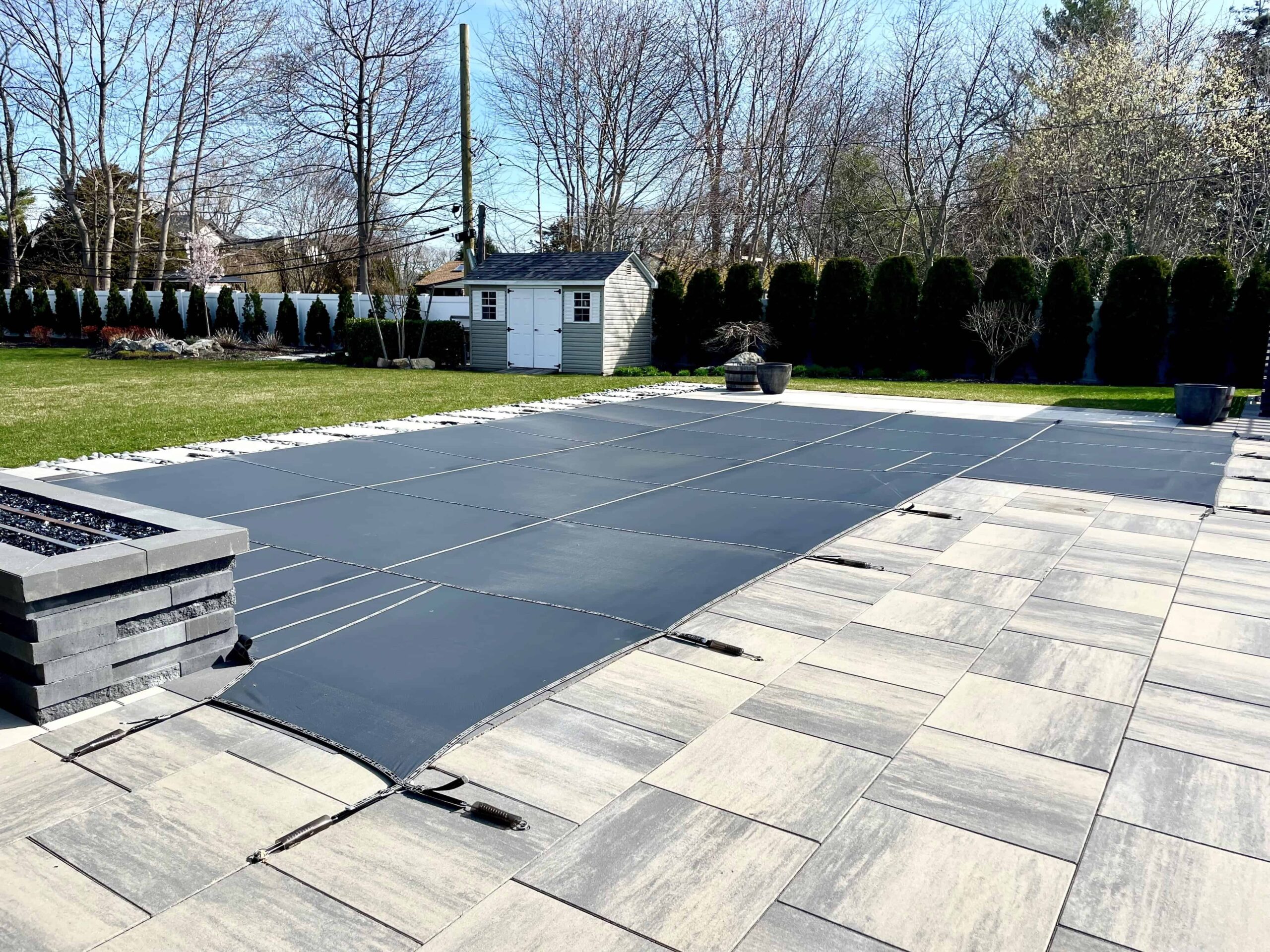
Prepare Outdoor Showers and Pool Plumbing
Outdoor showers, pool lines, and similar plumbing features should be winterized before freezing temperatures arrive.
Shut Off the Water Supply
Turn off the water supply to outdoor showers, pool plumbing, and other seasonal fixtures.
Drain Exposed Lines
Drain water from exposed pipes, shower heads, valves, and supply lines so it does not freeze inside the system.
Remove or Cover Fixtures
If possible, remove detachable shower heads, hoses, or accessories and store them indoors. Cover exposed fixtures to protect them from snow, ice, and cold wind.
Follow Pool System Guidelines
Pool plumbing may require specific winterization steps depending on the equipment, pump, heater, and filtration system. If you are unsure, work with a qualified pool or plumbing professional before temperatures drop.
Check Outdoor Drains and Nearby Drainage Areas
Outdoor drains, stairwell drains, and drainage areas near the foundation should also be checked before winter. Leaves, dirt, and debris can block water flow, causing melting snow or winter rain to collect near the home.
Before winter:
Clear Leaves and Debris
Remove leaves, sticks, and dirt from outdoor drains, basement stairwell drains, and nearby drainage grates.
Watch for Low Spots
If water pools near the foundation after rain, it may freeze into ice or contribute to moisture problems around the home.
Keep Snow Away from Key Areas
During winter, avoid piling snow directly against outdoor faucets, basement windows, drains, or foundation openings.
Know When to Call a Professional Plumber
Some winterizing tasks are simple for homeowners, but others require professional attention. If a shut-off valve won’t turn, an outdoor faucet is leaking, pipes are exposed, or you are unsure how your exterior plumbing is set up, it is best to schedule service before freezing weather arrives.
Professional help is especially important if:
Your Hose Bib Is Leaking
A leaking or damaged hose bib can freeze and worsen during winter.
You Cannot Find the Shut-Off Valve
A plumber can locate, inspect, or install shut-off valves where needed.
You Have Older Outdoor Plumbing
Older pipes and fixtures may be more vulnerable to freeze damage.
You Have Had Freeze Problems Before
If outdoor plumbing has frozen in past winters, preventative upgrades may be worth considering.
Schedule Outdoor Plumbing Winterization with CW Cummings Plumbing
Preparing outdoor plumbing before winter can help prevent frozen pipes, leaking hose bibs, damaged irrigation lines, and springtime surprises.
CW Cummings Plumbing provides reliable residential plumbing services for homeowners in Coventry, Warwick, West Warwick, East Greenwich, and surrounding Rhode Island communities. Whether you need help with exterior shut-off valves, hose bib repairs, outdoor fixture winterization, or preventative plumbing maintenance, our team is here to help.
Call (401) 828-7730 or contact our team here to schedule outdoor plumbing service before freezing temperatures arrive.